

Attachment Theory
Attachment Theory
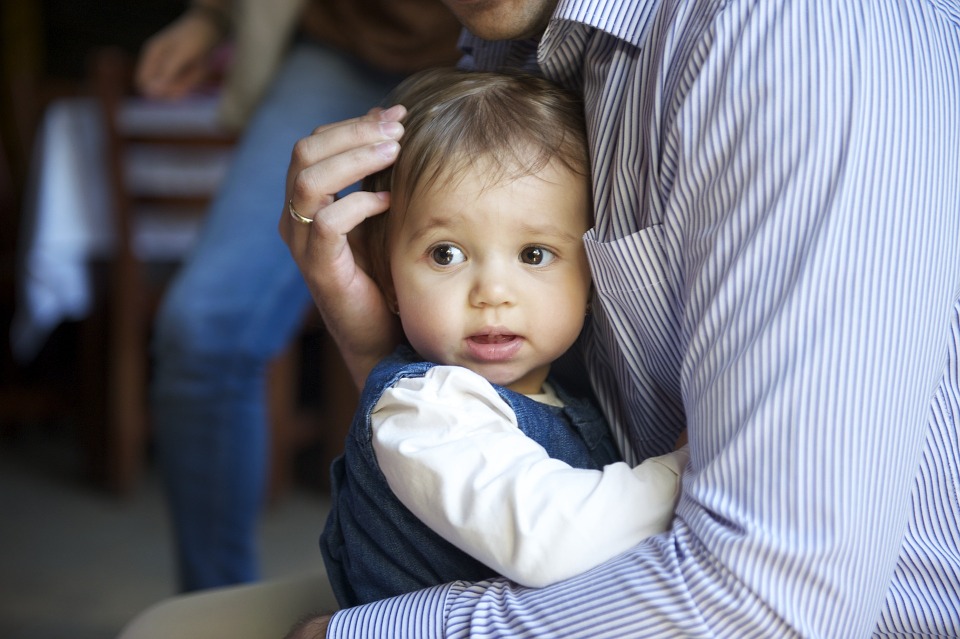
In very basic terms, attachment is an innate survival instinct most mammals share. Babies are born into the world equipped with a range of behaviours to maximise their survival. Attachment behaviours such as; crying, smiling and clinging draws the primary caregiver towards them at moments of need or distress. A secure attachment is formed around 6 – 9 months after an infant has experienced responsive parenting whereby, their needs are consistently met by at least one main caregiver. Babies who experience a secure attachment relationship feel protected and safe, therefore allowing them to explore their world more confidently.
I became interested in attachment theory early on in my career when dealing with challenging behaviour and emotional regulation. I soon learnt to ‘read’ certain behaviour patterns in order to respond appropriately. Attachment theory training and study revealed the importance of very early attachment bonds and the detrimental impact insecure attachments have on children, these include;
-
Disruptive behaviours
-
Difficultly to focus
-
Lack of confidence
-
Anxiety
-
Difficulty to regulate and manage feelings
-
Lack of social skills and ability to form/maintain positive relationships
The list goes on, yet attachment theory is not a subject matter that is widely used or delivered as part of education training.
Types of Attachment:
There are four attachment classifications that can be defined in young children.
-
Secure
-
Avoidant
-
Resistant
-
Disorganised